If your power goes out or your motor fails, you need to know how to manually open a garage door to avoid getting trapped inside or locked out of your home. To do this, pull the red emergency release cord to disconnect the door from the automatic opener, then lift the door by hand. The exact release motion may vary by opener model. Releasing the opener while the door is open, partially open, damaged, or poorly balanced can cause the door to fall unexpectedly and result in serious injury. In this guide, you will learn the exact steps to operate your door by hand, troubleshoot common garage door jams, and recognize when it is safe to do it yourself versus when you need to call for backup.
Why Automatic Doors Get Stuck? Common Reasons for Manual Operation
Automatic garage doors usually require manual operation when an unexpected system failure cuts off the motorized lifting power. Recognizing these common underlying mechanical and electrical issues helps you respond safely before attempting to lift the heavy panels yourself:
- Total Power Outages: Severe weather or local grid failures leave your opener without the electricity required to run the motor.
- Defective Opener Motors: Internal component failures like fried circuit boards or stripped gears can completely paralyze your automated system.
- Dead Remote Batteries: Dead remote batteries can prevent the remote from activating the opener, while a faulty wall control, wiring problem, or locked control panel can also prevent normal opener operation.
- Broken Counterbalance Springs: Broken torsion or extension springs remove much of the counterbalance force that helps lift the door. The door may become extremely heavy, and operating the opener can damage the opener or other components.
What Are the Steps to Manually Open and Close Your Garage Door?
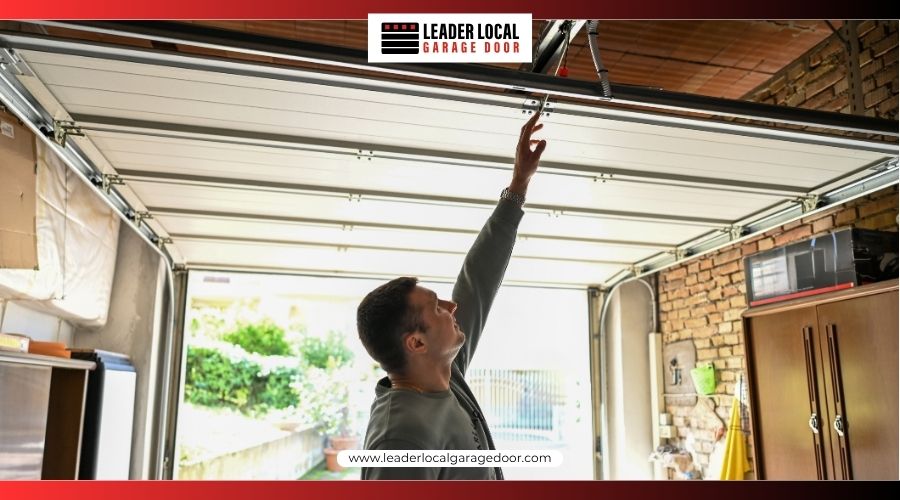
Operating your overhead door by hand requires a specific sequence to prevent the heavy panels from slamming down or causing severe injury. Follow this straightforward procedural checklist to disconnect the motor drive and safely manage your door assembly manually:
- Verify the Door is Closed: Check that the panels are fully lowered to the ground before touching the release, as pulling it on an open door can cause it to crash down violently.
- Clear the Area: Ensure that no vehicles, tools, pets, or children are standing anywhere near the path of the door tracks.
- Disconnect the Power: Unplug the opener motor from the ceiling outlet to prevent it from activating if the power suddenly returns.
- Unlock Manual Bars: Check the side tracks for any engaged physical slide locks or exterior T-handles and release them completely.
- Pull the Emergency Release: Grasp the red emergency release handle and pull it straight down, or in the direction recommended by your opener manufacturer, until the trolley disengages from the opener chain or belt.
- Lift the Door: Use the door’s installed lift handle or another safe gripping point to lift the door smoothly with both hands. Do not place your fingers between door sections.
- Secure the Door (If Leaving): Place heavy-duty locking pliers on the track directly under the bottom roller to keep the door from sliding down unexpectedly while you are away.
- Lower the Door: Remove the pliers and guide the panels down slowly by hand until the door rests flat against the floor.
- Re-engage the Opener: Follow your opener manufacturer’s instructions to reconnect the trolley. On many openers, you can lower the door fully, activate the opener, and let the trolley reconnect automatically.
Troubleshooting Manual Operation Issues
| Variable/Symptom | Impact/Cause | Recommended Action |
| Emergency release cord will not budge or release. | The opener drive mechanism is exerting heavy mechanical binding pressure on the trolley latch. | Make sure the door is fully closed whenever possible. If tension prevents the release from working, do not force it. If the door is partly open, unbalanced, or unsafe to move, call a garage door technician. |
| The door feels extraordinarily heavy to lift manually. | The counterbalance springs have lost their tension, or a torsion spring has suffered an isolated fracture. | Stop lifting immediately. Lower the door, secure it, and call a specialist to replace the springs. |
| The door lifts manually but instantly slides back down. | The door is out of balance due to fatigued, worn-out springs that can no longer hold the panel weight. | Do not continue operating or standing beneath the door. Lower it carefully if you can do so safely, keep people and vehicles away, and call a garage door technician. |
| The door catches, binds, or grinds while lifting manually. | The vertical tracks are misaligned, or a steel track roller has broken or popped out of its channel. | Inspect the tracks for visible obstructions or damage without loosening hardware. Do not force the door or attempt to realign the tracks yourself. Call a technician if the door continues to bind, grind, or come out of the tracks. |
Why You Need a Professional Garage Door Technician
While pulling the emergency release cord is a simple task for homeowners, fixing the root cause of a stuck door requires specialized tools and training. Attempting complex mechanical repairs on your own exposes you to extreme structural hazards and financial liabilities:
- High Tension Springs: Torsion and extension springs store extreme tension and can cause severe injury if handled improperly during a DIY repair.
- Frayed Lift Cables: High-strength steel lift cables can snap under tension, requiring proper replacement, spooling, and adjustment by a trained technician.
- Track Realignment Needs: Bent or misaligned steel tracks can bind your door panels and require precise adjustment with professional tools and proper alignment techniques.
- Opener Motor Diagnostics: Electrical issues or faulty logic boards require multimeters and specialized programming knowledge to fix safely.
- Structural Door Rebalancing: Incorrectly balanced panels place uneven wear on rollers and hinges, eventually burning out replacement motors prematurely.
- Warranty Protection Maintenance: Professional repairs ensure your manufacturer warranties remain valid while protecting you from expensive property damage.
Keep Your Garage Door Moving Safely
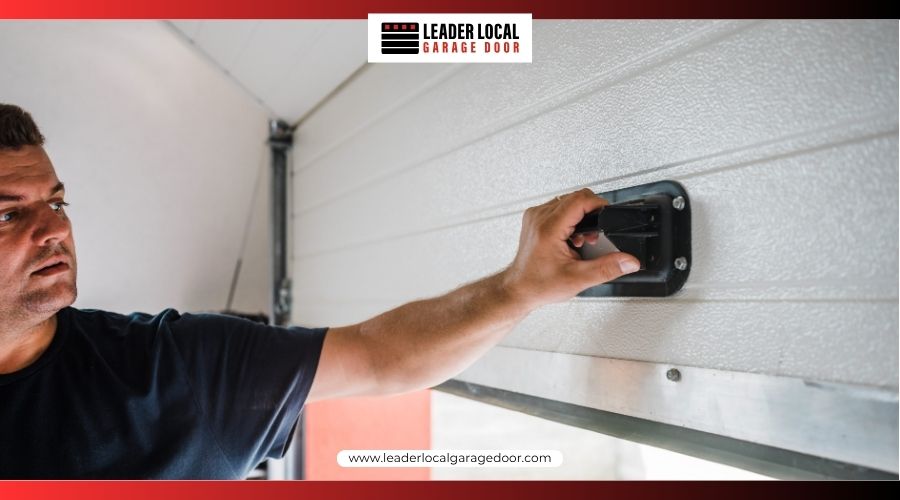
Mastering manual operation keeps your household running smoothly during an unexpected power outage or mechanical failure. After confirming the door is fully closed, checking for visible damage, clearing the area, and following the opener manufacturer’s emergency-release instructions, you may be able to disconnect the opener and operate a properly balanced door manually.
Just remember to respect the limits of your system, and never hesitate to call in an expert when high-tension components fail. Leader Local Garage Door is a 24/7 garage door service company in Sacramento CA, specializing in garage door repair, garage door installation, and garage door openers for homeowners.
If your door remains stuck, feels too heavy to lift, or will not operate safely after basic troubleshooting, schedule professional garage door repair in Sacramento to have the system properly inspected and repaired.
Frequently Asked Questions
How do I open my garage door if the power is out?
Ensure the door is fully closed and clear of obstructions, then unplug the opener power cord. Pull the red emergency release cord to disconnect the carriage from the opener. The exact release motion may vary depending on the opener manufacturer.
What does the red cord on the garage door do?
The red emergency release cord disengages the opener trolley or carriage mechanism, allowing a properly functioning garage door to be operated manually.
Is it safe to pull the emergency release?
The safest approach is to use the emergency release when the garage door is fully closed whenever possible and to follow the opener manufacturer’s instructions. Do not pull the release on an open or partially open door that appears damaged, unbalanced, or unable to support itself.
How do I reconnect my garage door to the opener?
Lower the garage door completely, then follow your opener manufacturer’s instructions to reconnect the trolley. On many garage door openers, activating the opener with the wall button or remote automatically reconnects the trolley once it engages.
Why can’t I lift my garage door manually?
If the door feels unusually heavy, a broken or weakened counterbalance spring is a common cause, but binding tracks, damaged rollers, cables, or other mechanical problems can also prevent manual operation. The springs handle the physical lifting weight, so when they fail, you are attempting to lift the true dead weight of the door panels, which can cause severe injury.