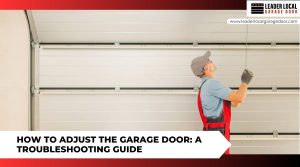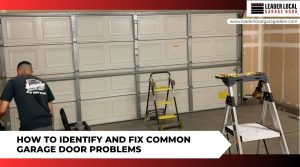
A garage door is stuck halfway because the opener’s safety mechanisms have triggered or a physical component, like a torsion spring or track roller, has failed. When the system detects physical resistance or an obstructed photoelectric sensor, the motor’s logic board immediately halts movement to prevent damage or injury.
Check the tracks for debris and inspect your garage door opener before forcing the heavy panels. Review the following troubleshooting steps to secure your property safely.
Why Is My Garage Door Sticking
When a door stops in the middle of its track, the system is detecting a hazard or experiencing a mechanical failure. Here are the most common issues to check if your door refuses to move.
Are The Safety Sensors Blocked Or Dirty
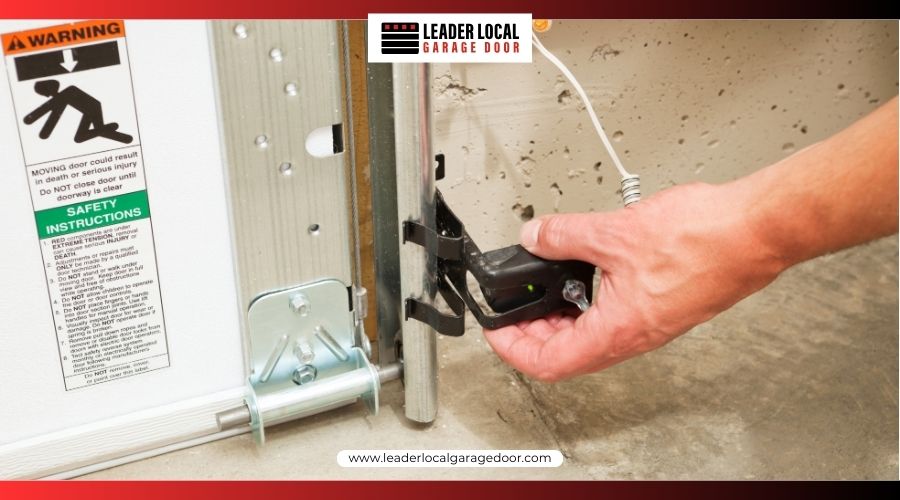
Modern motorized openers rely on photoelectric safety sensors to prevent crushing injuries. These devices sit six inches off the floor on both sides of the door and send an invisible infrared beam across the opening.
If dust, cobwebs, or even intense direct sunlight breaks that beam, the motor automatically stops the door and reverses it. Wiping the lenses with a soft cloth and realigning the sensors usually resolves this common garage door problem immediately.
Is There Debris In The Garage Door Tracks
The heavy panels of your door glide on steel or nylon rollers inside galvanized metal tracks. If these tracks get blocked by dirt, dried grease, or rocks, the door binds.
Grab a flashlight and inspect the vertical and horizontal tracks on both sides. Even a minor obstruction can derail a roller. This triggers the motor’s force limits and forces the system to halt mid-cycle.
Did A Torsion Spring Or Cable Break
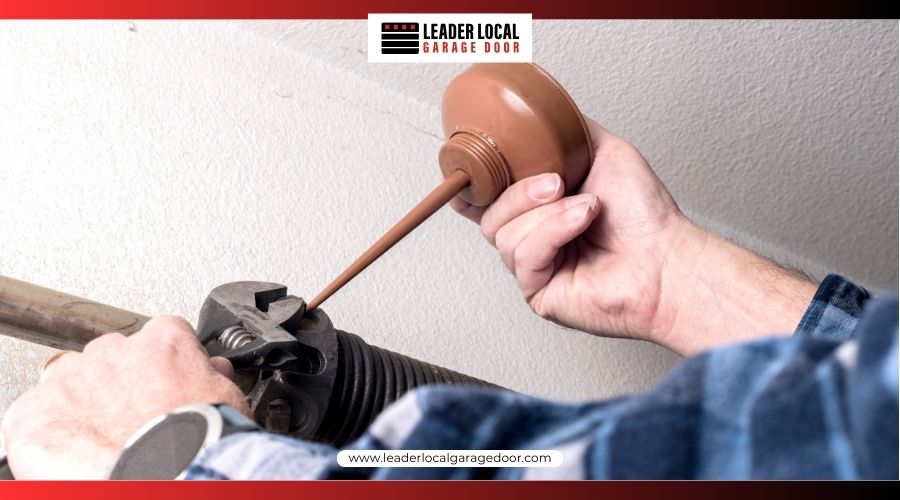
Your overhead door uses high-tension torsion or extension springs to counterbalance its massive weight. The motor only guides the door. The steel springs do the actual lifting.
Look directly above the closed door to check the torsion tube. If you see a two-inch gap in the coiled steel, the spring snapped. You should also check the aircraft-grade lifting cables running along the sides of the door for fraying or slack.
How To Troubleshoot A Stuck Garage Door Safely
You can troubleshoot the problem safely without putting yourself in danger. Follow these exact steps to secure your garage and prevent accidental injuries.
Disconnect The Automated Motor
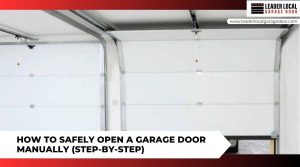
First, separate the door from the carriage assembly to test if the door moves in manual mode. Locate the red emergency release cord hanging from the center rail J-arm and pull it firmly down and back.
Lift the door manually. If the door feels incredibly heavy or refuses to budge, you likely have a broken spring or a severe track misalignment. Stop immediately.
Verify Safety And Compliance Standards
Homeowners should always prioritize safety when dealing with heavy, high-tension mechanical systems. The Consumer Product Safety Commission guidelines recommend testing the auto-reverse function monthly to prevent entrapment.
Furthermore, the DASMA safety standards advise against touching high-voltage components, bottom brackets, springs, or cables. You should only perform visual inspections and basic roller lubrication on your own.
Understanding Regional Safety Laws And Standards
Local regulations dictate specific safety features for all automated residential overhead doors to ensure emergency access. Building codes vary widely depending on your region.
What Do Battery Backup Laws Require
Depending on where you live, you face specific electrical requirements for your home. Strict regional laws often mandate that all new automatic doors feature a battery backup system.
For example, California Senate Bill 969 ensures residents can safely open their doors and evacuate vehicles during unexpected grid power outages. Hire licensed professionals to maintain strict legal compliance during system upgrades.
When To Call A Professional For Garage Door Repair
Some troubleshooting steps are safe for homeowners, while others carry extreme physical risks. You should always hire an expert if you find out there are dangerous structural hazards.
- Do not touch a broken spring
- Do not repair snapped lifting cables
- Do not force a bent metal track
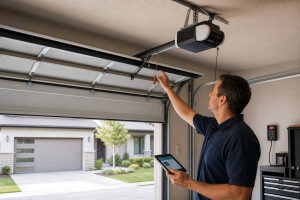
If you cleaned the safety sensors and the logic board still halts the door, call an expert. A trained technician can diagnose stripped internal gears and safely restore your home security.
Trusted Local Garage Door Services
Leader Local Garage Door is a 24/7 garage door service company in Sacramento CA, specializing in garage door repair, garage door installation, and garage door openers for homeowners. We resolve severe mechanical failures to restore your property safely and quickly.
Do not leave your home exposed to security risks overnight. Call our dedicated team today to schedule your 24/7 garage door repair.
Frequently Asked Questions
Why does the motor hum when the door stops?
The motor hums because internal nylon gears are stripped, the starting capacitor failed, or the logic board senses a physical block. Unplug the unit immediately to prevent a fire.
Can I manually close a partially open door?
Pull the emergency cord only if the door is fully supported. A heavy suspended door will crash down violently if released with a broken spring.
How much does a spring replacement cost?
Homeowners usually pay between $200 and $500 for a professional spring replacement. Always request high-cycle steel springs and avoid cheap builder-grade metal parts.
What is the penalty for non-compliance with regional laws?
Contractors face civil penalties for installing illegal, non-compliant motors. Homeowners risk voiding their home insurance policies by ignoring regional fire and safety codes.
How often should I test the safety reverse feature?
Place a 2×4 block of wood flat on the ground in the door path every month. The door must reverse immediately upon touching this obstacle. If it does not, adjust the force limits.