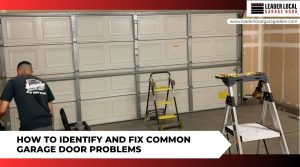
A noisy garage door making squeaking, grinding, or banging sounds is usually a sign of mechanical problems. These noises often come from worn, loose, or damaged parts.
A noisy garage door is caused by dry moving parts, worn rollers, loose hardware, or damaged springs. Fixing the issue early helps reduce safety risks and prevent larger mechanical failures, especially when evaluated by an expert garage door technician.
Each sound reveals where the problem starts. The guide below explains how to identify the noise, apply safe solutions, and recognize when professional repair is required.
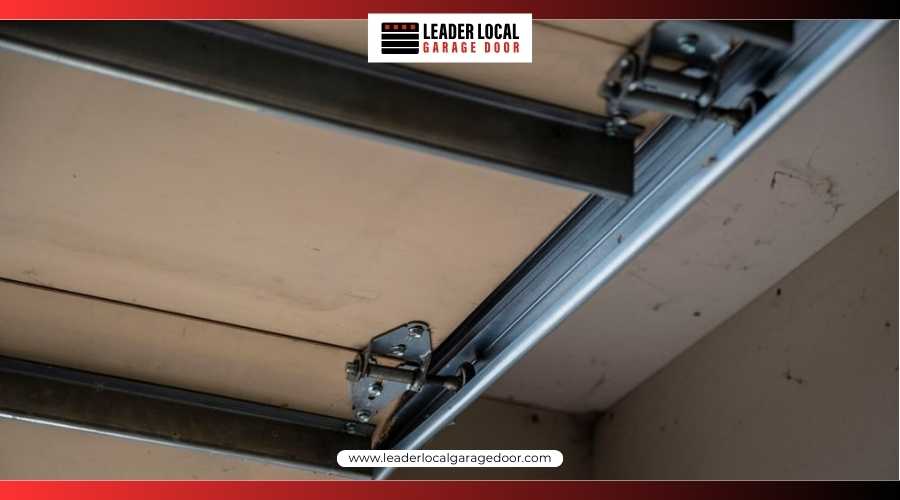
Garage Door Noise Diagnosis Guide
Identifying the source of the noise is the first step in fixing the problem. This quick-reference table matches common sounds to their likely causes, so you know where to start looking.
| What You’re Hearing | Likely Cause | Difficulty Level |
| Squeaking | Lack of lubrication | Easy (DIY) |
| Grinding | Worn rollers or bent track | Moderate (DIY/Pro) |
| Rattling | Loose hardware or chain | Easy (DIY) |
| Banging | Broken torsion spring | Danger (Pro Only) |
| Humming | Motor strain or capacitor failure | Moderate (Pro Recommended) |
Common Garage Door Noises and Their Causes
Your garage door makes distinct sounds that can help you pinpoint the exact mechanical issue causing the disturbance. Here are the most common noises you might hear and what they indicate about your door’s health:
- Squeaking and Squealing: A squeaky garage door is almost always caused by friction from dry metal parts, such as hinges and rollers, rubbing together without oil.
- Grinding Sounds: A loud garage door grinding noise typically means the rollers are worn out with failed bearings, or the door is dragging against a misaligned track.
- Rattling and Vibrating: This sound usually points to loose nuts, bolts, or screws that have wiggled free due to vibration, or a loose chain on the garage door opener slapping the rail.
- Popping or Loud Banging: A loud “gunshot” sound is a critical warning sign that a torsion spring has fractured, which means the door is no longer supported and is dangerous to move.
- Humming or Buzzing: A persistent hum often comes from the garage door opener motor straining to lift an unbalanced door or suffering from internal gear failure.
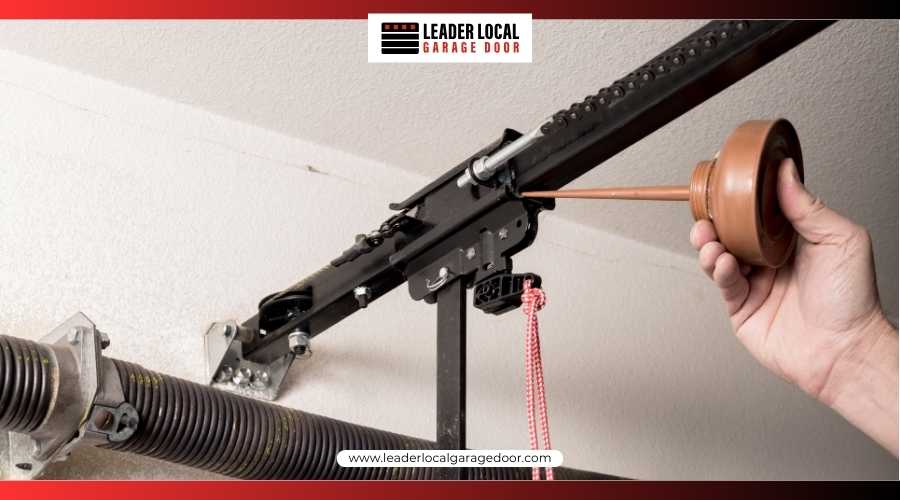
How to Fix a Noisy Garage Door
You can often solve these audible issues and extend the life of your system with basic tools and the right maintenance approach. Follow these simple steps to learn how to quiet a garage door and prevent future wear:
- Tighten Loose Hardware: Use a socket wrench to snug up the nuts and bolts on the track brackets and hinges, but be careful not to overtighten and strip the threads.
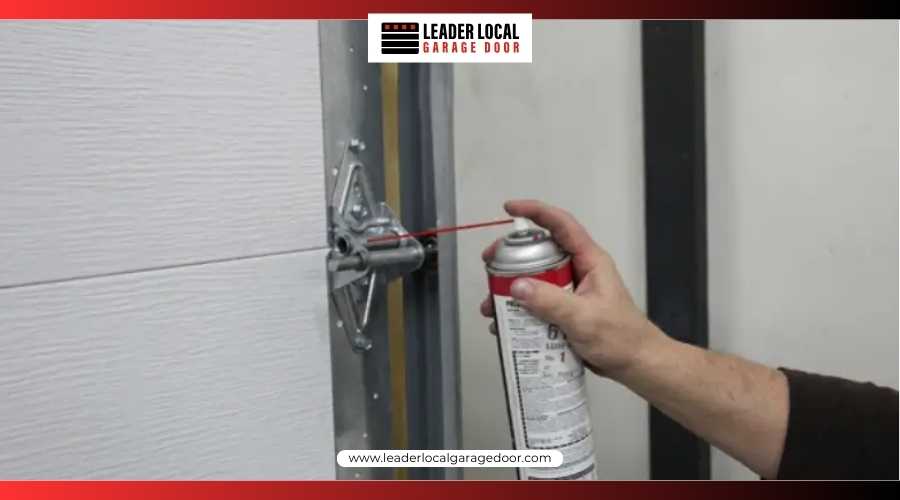
- Lubricate Moving Parts: Apply Silicone Spray or White Lithium Grease to the rollers, hinges, and springs to ensure smooth lubrication, but do not use standard WD-40 as a lubricant or grease the tracks.
- Replace Worn Rollers: Inspect your rollers for wobbly wheels and swap out old steel units for new nylon rollers, which are significantly quieter than steel.
- Adjust the Opener Chain: Tighten the chain according to your owner’s manual so it does not slap the rail, and consider checking chain drive vs belt drive options if you want a silent upgrade.
When to Hire a Professional Service
Some repairs involve high-tension components that are too dangerous for the average homeowner to handle safely. Call a professional immediately if you encounter any of the following scenarios:
- Broken Torsion Springs: These springs carry the massive weight of the door and require specialized winding bars and training to replace without risk of severe injury.
- Off-Track Doors: If the door is crooked or the rollers have popped out, forcing it back into place can cause the entire heavy door to fall on you.
- Bottom Roller Brackets: These brackets are directly connected to the high-tension lift cables, and removing them is one of the most common causes of serious garage door accidents.
Solve the Garage Door Noise Problem for Good
Addressing the noise early not only restores peace to your home but also prevents expensive mechanical failures down the road. Regular preventative maintenance and basic lubrication will keep your door balanced and safe. However, if DIY methods fail or the noise involves high-tension parts, do not take the risk. Contact Leader Local Garage Door for expert 24/7 garage door repair and ensure long-term safety. Leader Local Garage Door is a 24/7 garage door service company in Sacramento CA, specializing in garage door repair, garage door installation, and garage door openers for homeowners.
Frequently Asked Questions
Why does my garage door squeak when it opens?
Squeaking is usually caused by friction from unlubricated metal hinges, rollers, or springs rubbing together.
How do I lubricate my garage door?
Apply a silicone-based spray or white lithium grease to the roller bearings, hinges, and springs. Do not use standard WD-40 and do not grease the tracks.
Is a noisy garage door dangerous?
It can be. While squeaks are annoying, grinding or banging sounds often indicate failing parts like springs or cables, which can lead to the door falling or jamming.
How can I make my garage door quieter?
You can significantly reduce noise by tightening all hardware, lubricating moving parts, and replacing noisy steel rollers with nylon rollers.
How often should a garage door be serviced?
A professional inspection is recommended annually. Homeowners should perform their own lubrication and visual check every six months.