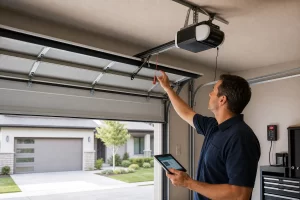
To learn how to adjust the garage door, you must locate your opener’s travel limit dials, modify the motor force settings, and check the photo-eye sensor alignment. Adjusting these specific mechanisms will fix common issues like uneven closing gaps and unexpected door reversals. Different types of garage doors require different maintenance routines, so you must understand which adjustments are safe for DIY repair and when to contact a professional.
Identify the Problem Before You Adjust the Garage Door
Find the root cause of the issue before you alter any opener settings. Inspect the track condition, roller movement, and sensor alignment first. Altering the motor settings to compensate for a mechanical failure adds excessive strain to the lifting system.
Use this diagnostic table to determine the proper adjustment:
| Common Problem | Likely Cause | Safe DIY Solution |
| The door hits the floor and reverses | The downward limit is too long | Turn the down limit dial counterclockwise |
| The door leaves a gap at the bottom | The downward limit is too short | Turn the down limit dial clockwise |
| The door stops halfway while moving | Force settings are too low | Increase the lifting force slightly |
| Opener lights flash rapidly | The photo eye sensors are misaligned | Clean lenses and adjust sensor brackets |
Review Essential Safety Standards for Garage Doors
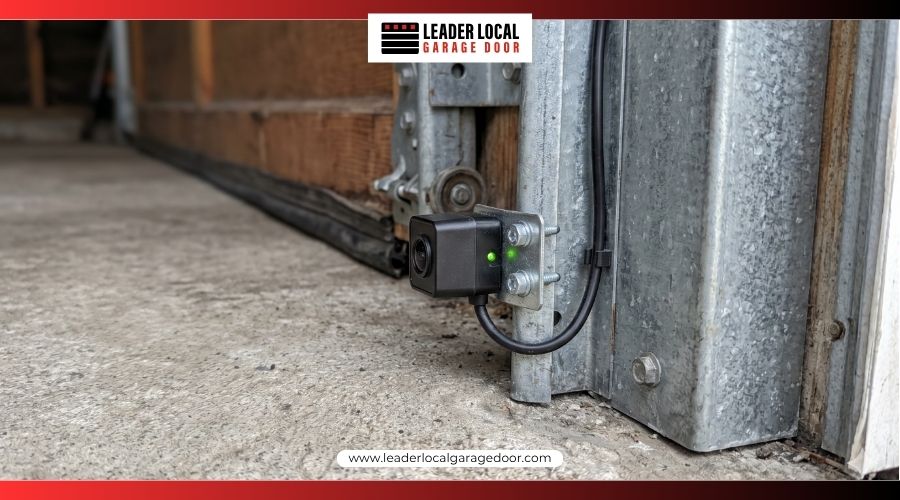
Garage doors are heavy mechanical systems that operate under strict safety standards. Automatic openers use photo-eye sensors to create an invisible beam across the base of the opening. If an object breaks this beam, the automatic reversal system stops the door to prevent entrapment or crushing injuries.
National regulations, like the UL 325 safety standards, mandate these specific safety mechanisms. California enforces further regulations. The California battery backup law requires all new opener installations to include battery backup systems, allowing you to operate the door during power outages.
High-Risk Adjustments Homeowners Must Avoid
Improper adjustments damage expensive hardware and cause severe injuries. Do not alter high-tension components without professional technical training.
Avoid these specific hazards:
- Do not touch torsion springs or lifting cables: These structural components hold extreme mechanical tension.
- Do not maximize motor force limits: Excessive force disables the automatic safety reversal system.
- Do not ignore structural grinding or shaking: These symptoms indicate bent tracks or damaged rollers, not opener miscalibration.
- Do not increase power to bypass broken hardware: A motor should never overpower a physically jammed door.
Limit your repairs to travel dial adjustments and sensor alignment. Leave spring and cable repairs to trained technicians.
How to Adjust the Garage Door Travel Limits
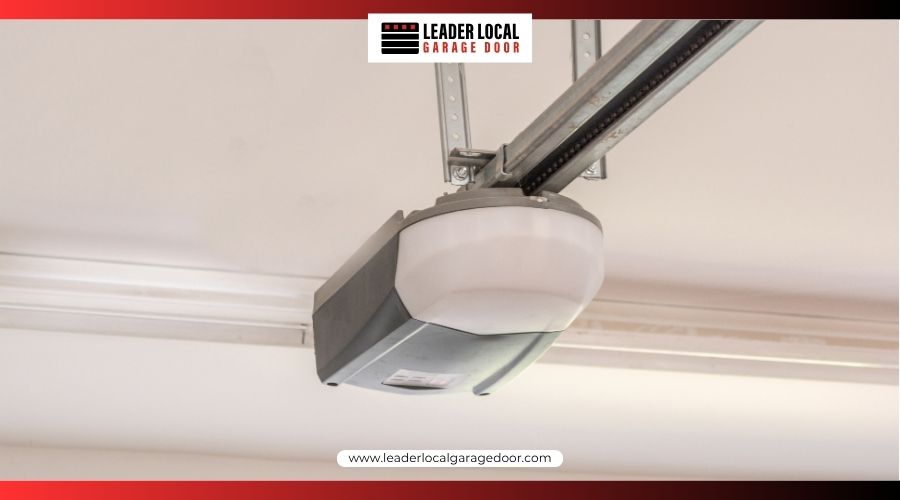
Travel limits program the exact stopping points for the garage door during its open and close cycles. Improper limits cause the door to strike the ground and reverse or stop before reaching the concrete floor.
Locate the limit adjustment screws on the side or rear panel of the motor housing. Manufacturers typically label these “Up” and “Down.”
If your door hits the floor and reverses, turn the downward limit screw counterclockwise in quarter-turn increments. If the door stops and leaves a gap, turn the downward screw clockwise.
Test the operation with your wall console after every single adjustment. Stop adjusting when the bottom weather seal compresses flat against the concrete without buckling.
Modifying the Opener Motor Force Settings
Force settings dictate the electrical power the motor exerts to move the door. Minor friction from dry rollers or track misalignment causes the motor to stop the cycle prematurely.
Find the open and close force dials located near the travel limit screws. Turn the respective dial clockwise to increase the power limit slightly. Make minor incremental turns, then perform a full test cycle.
Do not use high force settings to bypass physical obstructions. If the door requires maximum force to operate, the system requires a mechanical inspection.
Correcting Track Binding and Roller Alignment
Garage door noise indicates dry rollers, loose bracket hardware, or track binding. Track binding happens when the door panels scrape against the metal track during movement.
Inspect the track spacing and bracket bolts. If the metal track sits too tight against the door panels, use a socket wrench to loosen the track brackets. Pull the track outward to create a consistent half-inch gap between the door and the track. Tighten the bolts firmly.
Apply a silicone-based lubricant to the hinges and roller bearings. Avoid lithium grease, which attracts dirt. Move the door manually to verify smooth operation.
When to Call a Professional for Garage Door Repair
If your system continues to reverse, bind, or grind after you adjust the travel and force settings, stop operating it. Continuing to run a malfunctioning door damages the motor gear and strips the carriage.
Leader Local Garage Door is a 24/7 garage door service company in Sacramento CA, specializing in garage door repair, garage door installation, and garage door openers for homeowners. Contact our team for reliable 24/7 garage door repair when simple troubleshooting does not resolve your mechanical issues safely.
Frequently Asked Questions
Is a battery backup system legally required for my opener?
California mandates battery backups for new opener installations. This hardware ensures you can open your door safely during an electrical outage.
Why does my door reverse immediately after hitting the ground?
Your downward travel limit is set too long. Decrease the down limit on the motor housing so the opener stops driving the door once the seal touches the concrete.
What causes the opener lights to flash when the door stops?
Flashing lights indicate obstructed or misaligned photo-eye sensors. Wipe the glass lenses and adjust the metal brackets until the LED indicator lights remain solid.
How often should I test the safety reversal system?
Test the automatic reversal mechanism monthly. Place a block of wood flat on the floor under the door. Verify that the door reverses immediately upon making contact.
Can I adjust the heavy springs above the door myself?
No. Do not adjust torsion or extension springs without professional tools and training. These parts store extreme kinetic energy and cause severe injuries if released improperly.