Your garage door often makes up 30 percent of your home’s exterior, so garage door installation can be one of the most impactful upgrades you can make. However, with many types of garage doors on the market, ranging from high-tech roll-ups to elegant side-hinged designs, it is easy to get lost in the jargon.
A mismatched choice does not just look off. It can lead to energy loss and maintenance headaches. This guide breaks down the leading designs by performance and style to ensure your next door adds genuine value and safety to your property.
Sectional Garage Doors Stand as the Most Popular Residential Option
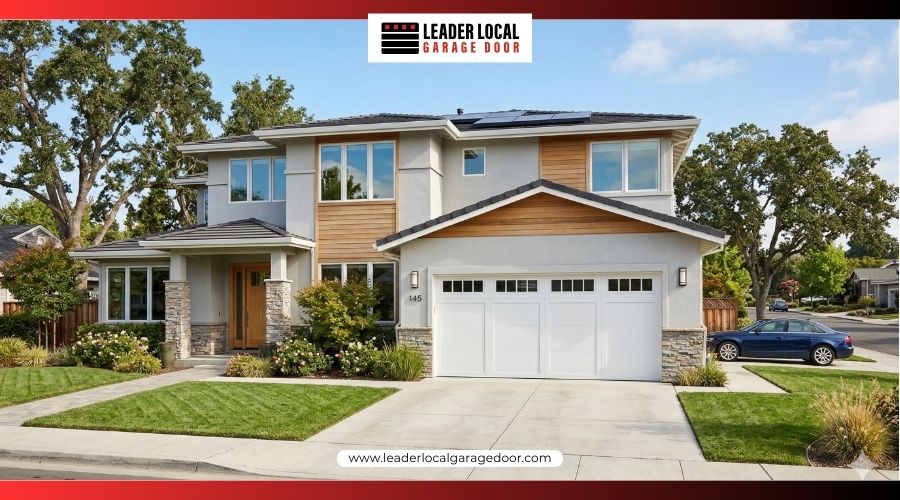
Sectional garage doors are the most common type found in residential driveways. They consist of panel sections connected by hinges that roll up and down on a track. When the door is open, it sits flat against your garage ceiling.
If you live in a typical suburban neighborhood, you likely have a sectional door. These are considered the all-rounders of the industry because they handle insulation well and are very easy to automate. Since they move straight up and back, you can park your car right against the door without worrying about it swinging out and hitting your bumper.
- The Appeal: These offer a great balance of price and security, along with energy efficiency.
- The Pro Tip: These doors rely on torsion springs. If your door feels heavy or will not lift, the spring is likely the culprit.
Roll Up Doors Provide Strength for Heavy Use Areas
Roll-up garage doors or coiling doors consist of small horizontal slats that roll into a compact drum located right above the door opening. You usually see these in commercial buildings, but they are gaining traction in homes with limited ceiling space.
If you have a garage with very high ceilings or you want to use that overhead space for storage racks or a car lift, then a roll-up door is your best friend. They are built to be incredibly tough and can withstand many opening cycles without much fuss.
- The Appeal: They save a massive amount of space and have an industrial, cool aesthetic.
- Important Note: These are usually made of Galvanized Steel. This is great for security, but it can be noisier than a sectional door.
Side Hinged Doors Offer a Classic Carriage House Aesthetic
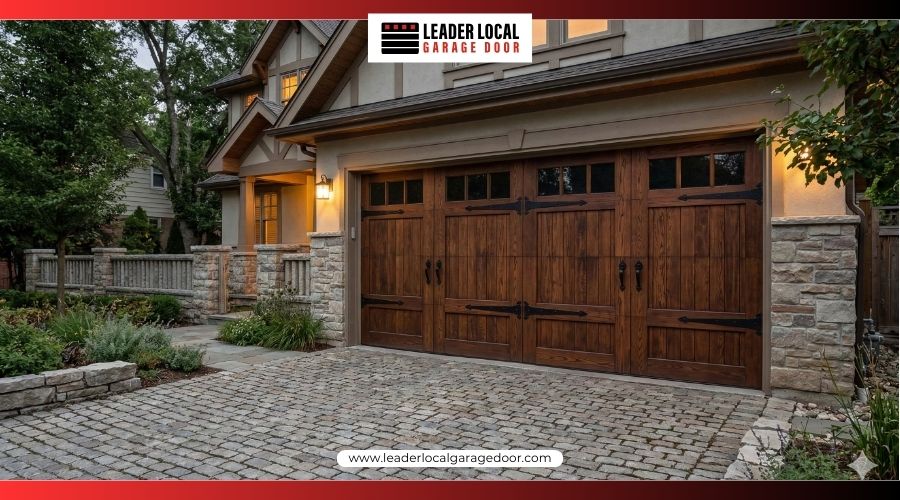
Side-hinged garage doors function much like a traditional front door because they swing outward from the frame. This style is a nod to the days before cars, when people kept horses and buggies in the barn.
These doors look stunning on historical or craftsman-style homes. Since there are no tracks on the ceiling, they are the perfect choice if you converted your garage into a gym or office and want it to feel like a real room.
- Expert Level Warning: These require a clear and flat driveway. If you live in an area with heavy snow, you will have to shovel the entire path to the door before you can open it.
- The Complexity Threshold: You can easily swing these open manually. However, automating them requires special swing arm operators that are more expensive and complex than standard openers.
Slide to Side Doors Solve Unique Architectural Challenges
Slide to side doors do exactly what the name suggests. They slide to one side while hugging the interior wall of your garage. They do not require a spring system and can be opened partially if you just need to walk through.
These are true conversation starters. They are fantastic for garages with low headroom where a sectional door simply will not fit. Because they do not have to fight gravity to move the motors upward often last much longer than traditional openers.
Important Safety Standards and Legal Requirements for Homeowners
Beyond choosing the right door style, homeowners also need to understand safety and legal requirements to ensure their garage door operates reliably and complies with local regulations.
All modern garage door installations must meet UL 325 safety standards. These require photo eye sensors to prevent the door from closing on people or vehicles.
While the basic mechanics are the same everywhere, your local building codes might have hidden requirements.
- Wind Load Ratings: If you are on the coast, your door might need internal steel struts to survive high winds.
- Legal Requirements: In many states, replacing a garage door requires a building permit. If a door is installed incorrectly and blows in during a storm, the resulting pressure change can actually blow the roof off your house.
Quick Comparison to Help You Choose the Best Door:
| Feature | Sectional | Roll Up | Side Hinged | Slide to Side |
| Price | Affordable | Moderate | Expensive | Premium |
| Best For | Families | Workshops | Living Space | Low Ceilings |
| DIY Maintenance | Easy | Low | Moderate | Easy |
| Safety Risk | High Springs | Medium | Low | Low |
Expert Support for Your Sacramento Garage Door Project
Choosing between the various types of garage doors is only the first step in a successful home upgrade. The technical demands of installation require the right tools and training to keep your system safe, quiet, and reliable for years.
Leader Local Garage Door is a garage door service company in Sacramento, CA, specializing in garage door repair, garage door installation, and garage door openers for homeowners. A local specialist can help confirm code requirements, wind ratings, and the right door style for your space, while reducing the risk of costly setup mistakes and early wear.
Frequently Asked Questions
Can I install a new garage door myself?
We generally advise against it. While hanging the panels is straightforward, winding the Torsion Springs is extremely dangerous. One slip can result in a serious injury. Stick to a pro for the final setup.
Which door type is the most energy efficient
Sectional doors take the prize here. Because they have fewer seams and can be filled with thick polyurethane foam, they offer the highest R-values.
Do side-hinged doors work with automatic openers?
Yes, but they need a specific type of swing arm opener. Your standard big box store opener will not work for these specialized systems.
What does High Lift mean in the garage door industry
This is a modification for sectional doors that lets them go higher up the wall before turning back toward the ceiling. It is a great way to get more headroom without buying a specialized door.
How do I know if my door is Wind Load certified
Look for a sticker on the inside of the bottom or second panel. It will list the PSF rating, which stands for Pounds per Square Foot. This rating confirms the door can withstand specific pressure levels.