
Homeowners often ask how to choose the best garage door brand for their home. The truth is that no single brand works perfectly for every house, climate, or budget.
Today, most major garage door manufacturers offer strong products with similar features. The real difference comes from the door’s material, insulation, steel thickness, design, and installation quality. If you want better curb appeal, a quieter garage, or a stronger door for daily use, knowing what to compare will help you make a smarter choice. For local help, you can also review our garage door repair services before planning your upgrade.
What Are the Top Garage Door Brands on the Market?
Several garage door brands have strong reputations, but the best choice depends on what your home needs. Some brands focus on design, while others emphasize strength, insulation, or commercial-grade performance.
- Clopay: This brand is well known for carriage-house styles, modern designs, and wood composite materials. They focus heavily on design versatility.
- C.H.I. Overhead Doors: C.H.I. focuses on high-quality steel construction. They offer custom colors, strong panels, and durable builds.
- Amarr: Amarr builds residential and commercial steel doors. They also offer pinch-resistant designs to improve safety.
- Wayne Dalton: This manufacturer offers a wide range of garage doors, including insulated premium models and modern design options.
Instead of focusing only on the name on the box, pay attention to the door’s physical components. The brand matters, but the door’s construction matters more.
Which Garage Door Material Should You Choose?
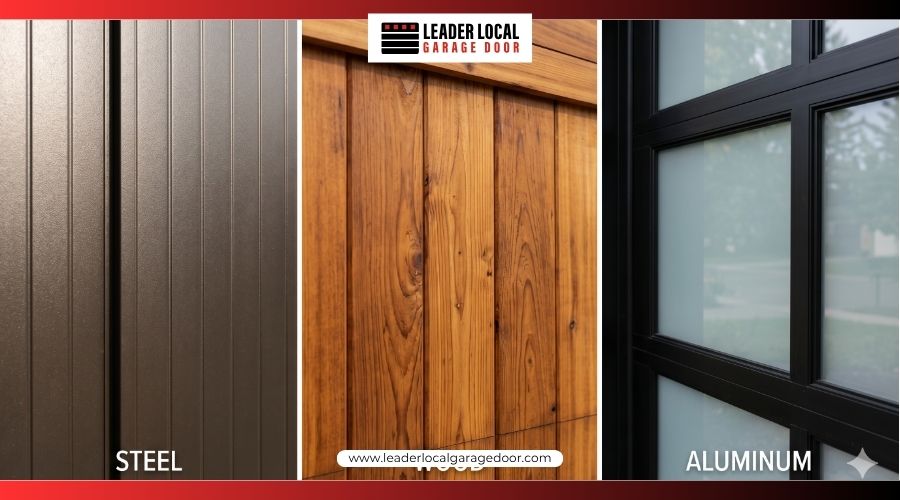
The best material depends on your budget, home style, and maintenance expectations. The material you select affects durability, curb appeal, insulation, and long-term care.
- Steel: Steel is the most popular option for many homeowners. It offers strong durability, requires very little maintenance, and provides excellent value.
- Aluminum and Glass: These doors are lightweight and modern. They work well for contemporary homes that need more natural light. However, they usually offer lower thermal protection.
- Wood or Wood Composite: Wood provides premium curb appeal and custom style. Real wood requires regular staining and sealing to prevent rot, cracking, and sun damage. Composite overlays can give you the look of wood with less maintenance.
For most homes, steel offers the best balance of strength, price, and easy care.
Why Does Steel Gauge Thickness Matter
The steel gauge indicates the thickness of the metal panels. A lower gauge number means thicker steel, and thicker steel usually creates a stronger, more dent-resistant garage door.
Standard garage door steel is often 24- or 27-gauge. A 24-gauge steel door is thicker than a 27-gauge steel door. This difference can matter if your door faces heavy daily use, strong winds, or possible impact from balls, tools, bikes, or hail.
This detail becomes even more important in areas with severe weather. A thick, well-braced door can resist dents and handle pressure better than a thin builder-grade door. To support public safety, manufacturers build heavy-duty doors that comply with strict garage door wind-load guidelines set by engineering standards. Some areas also comply with current wind load requirements in local building codes.
Do You Really Need an Insulated Garage Door
Yes, an insulated garage door is a smart choice if your garage connects to your home, sits under a bedroom, shares a wall with living space, or works as a workshop. Insulation helps reduce heat transfer, soften noise, and improve door strength.
The two most common insulation types are:
- Polystyrene: These are rigid foam panels placed inside the door cavity. They provide basic thermal protection by slowing the flow of conductive heat from the outdoors into your garage.
- Polyurethane: This liquid foam is injected into the door panels. It expands to fill gaps and bonds to the steel surface.
Polyurethane is usually the stronger upgrade. A polyurethane foam insulation core can provide a higher R-value, reduce operating noise, and make the garage door feel more solid.
Key insight: Expanding polyurethane foam bonds to the steel panels, making the entire door stiffer and more resistant to bending under pressure.
What Are The Options for Colors and Finishes
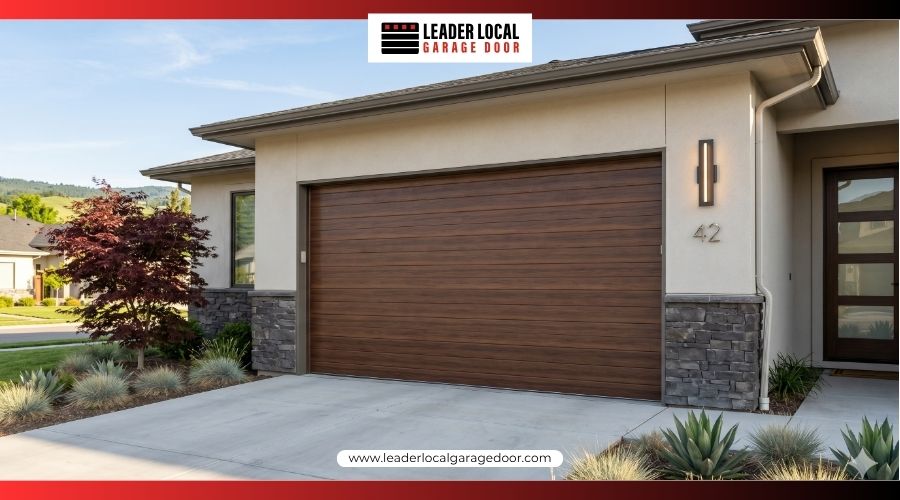
Modern garage doors come in many factory paint colors, wood-look finishes, window layouts, and panel designs. The right choice should match your home’s trim, roof color, siding, and overall style.
Light colors can help reduce heat absorption in sunny areas, while darker finishes can create a bold modern look. If you live in a community with HOA rules, check approved colors and designs before ordering.
Choosing the right finish can also improve your home’s curb appeal. Manufacturers use baked-on paint systems that resist fading better than many DIY paint jobs. This helps charcoal, bronze, white, almond, and faux-wood finishes stay attractive for years with less upkeep.
How Do You Choose the Right Garage Door for Your Home?
The best garage door brand is the one that delivers the right mix of strength, insulation, design, and long-term value for your home. A premium brand name will not help much if the door is made of the wrong material, poorly insulated, or has weak hardware.
| Feature to Compare | Why It Matters |
| Material type | Affects durability, maintenance, curb appeal, and price. |
| Steel gauge | Thicker steel can improve dent resistance and strength. |
| Insulation type | Helps with comfort, noise reduction, and door stiffness. |
| R-value | Shows how well the door slows heat transfer. |
| Panel design | Impacts the home’s curb appeal and overall style. |
| Window options | Adds natural light but may affect privacy and insulation. |
| Wind-load rating | Helps the door meet local safety and building requirements. |
| Hardware quality | Supports smoother movement and longer system life. |
| Warranty coverage | Protects the homeowner from certain product defects. |
| Installation requirements | Ensures the door works safely with the opener, tracks, and springs. |
A professional installer can also help you avoid common mistakes, such as choosing a door that is too heavy for your existing opener or selecting a style that does not match your home’s structure.
How to Take the Next Step with Your Garage Door Upgrade
Choosing the right manufacturer is only the first step. Proper installation ensures your new system operates safely and meets local California building standards. You want to match the physical product to your climate, budget, and daily usage habits.
If you need help evaluating your current setup, our team is ready to assist. Leader Local Garage Door is a 24/7 garage door service company in Sacramento CA, specializing in garage door repair, garage door installation, and garage door openers for homeowners.
We provide straightforward, factual advice to help you find the right fit for your property. Contact us today to compare your options and secure your home with a reliable new garage door.
Frequently Asked Questions
How long does a new steel garage door typically last?
A high-quality steel garage door usually lasts 15 to 30 years, depending on local climate, daily use, installation quality, and regular maintenance.
Can I paint my new garage door to match my house?
Yes, most steel and wood garage doors can be painted. However, factory finishes usually offer better durability and fade resistance than DIY paint.
Are wood garage doors a good choice for California?
Wood garage doors offer strong curb appeal, but they require frequent staining and sealing. California heat and sun exposure can dry out wood if it is not maintained properly.
How much wind resistance does my new door need?
Your required wind-load rating depends on local building codes, door size, and exposure risk. Coastal areas and storm-prone regions usually need stronger bracing.
Does insulation really make my garage door quieter?
Yes, insulation can make a garage door quieter. Injected polyurethane insulation helps dampen vibration and stiffen the panels, reducing noise during operation.