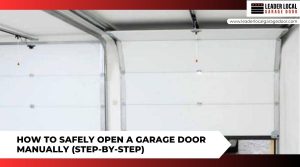
If your garage door cable snapped, stop using the door right away and leave it exactly where it is. Don’t press the opener button again, and don’t try to rewind or reattach the cable yourself. The springs that pull on that cable still hold enough force to spin a tool out of your hand or drop one side of the door. Unplug the opener, keep everyone out from under the door, and call a trained technician.
What Should You Do Right After a Garage Door Cable Breaks?
The first few minutes matter most, because nearly all of the danger comes from moving the door before it’s secured. Your job is to make the area safe and leave the actual garage door cable replacement to someone trained for it, so follow these steps in order:
- Stop Using the Opener: The motor will keep trying to lift the door, even with one side unsupported. That can twist the door in its tracks and bend panels.
- Unplug the Opener: Pulling the plug keeps anyone from hitting the wall button or a remote by habit.
- Leave the Emergency Release Alone if the Door Is Open: The red release cord disconnects the door from the opener. If the door is up or partly up, the opener may be the only thing holding it, so pulling that cord can let the door fall.
- Clear the Area: Keep kids, pets, and cars out from under the door until it’s repaired.
- Leave the Car Inside if the Door Is Tilted: Driving under a crooked door risks the door shifting onto the roof of your car.
- Take a Photo From a Safe Distance: A clear picture of the loose cable and the bottom corners of the door helps a technician understand the problem before arriving.
Is a Snapped Garage Door Cable an Emergency?
Often, yes. A door stuck open leaves your home unsecured overnight. A door hanging crooked can shift or drop without warning. A car trapped inside keeps you from getting where you need to go.
It’s less urgent when the door is fully closed and sitting flat on the floor. In that case, the door can’t fall any further, and your home stays secure while you wait for a repair. Just keep the opener unplugged so no one tries to open it.
When the door is stuck open, tilted, or blocking your only way out, treat it as an emergency call. We take calls 24/7 for exactly these situations, because a broken cable at 9 p.m. still leaves your garage open all night.
How Can You Tell a Broken Garage Door Cable From a Spring?
Cables and springs work together, so a failure in one can look a lot like a failure in the other. A quick look from a safe distance usually tells you which part gave out, and these are the clues to check for:
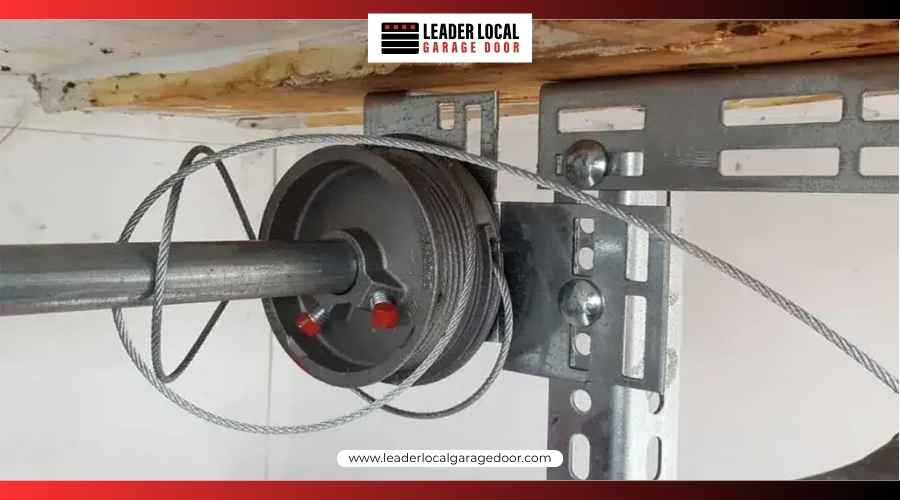
- Loose or Dangling Cable: A cable hanging beside the track, or unwound from the round drum at the top corner, points straight to a cable problem.
- Door Hanging Crooked: Cables lift both sides of the door evenly. When one snaps, that side drops, and the door sits at an angle in the opening.
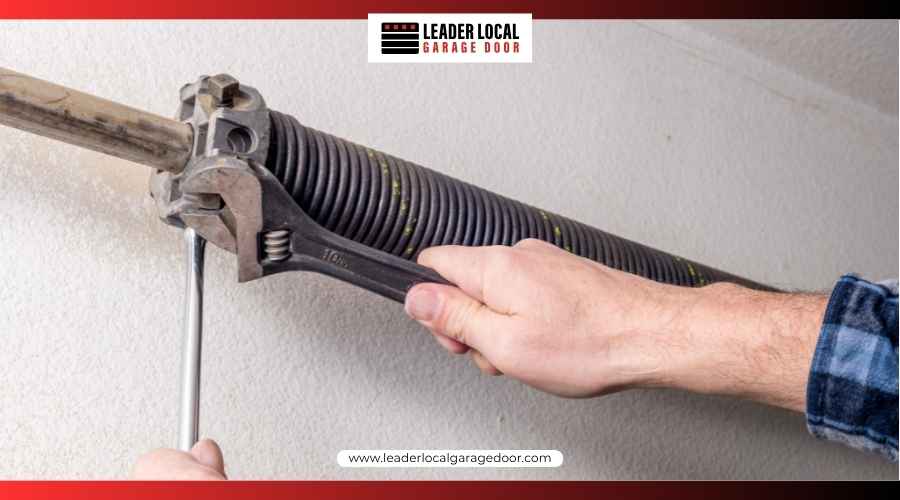
- Visible Gap in the Spring: A torsion spring sits on a bar above the door. If you see a clean break between two sections of the coil, the spring failed, and the warning signs of a broken spring look different from a cable break in a few key ways.
- Door That Feels Extremely Heavy: With a broken spring, the door stays level but feels like it weighs a ton, and the opener strains or stalls. A cable break usually causes tilting instead.
One failure can also trigger the other. When a spring breaks, the cables lose tension and can slip off their drums. When a cable snaps, the door can twist hard enough to pull its rollers loose, and fixing a garage door that has come off track is its own careful job. That’s why a technician checks the whole lift system, not just the part that looks broken.
Why Is DIY Garage Door Cable Repair So Dangerous?
A garage door cable doesn’t just hang there. It carries the full pull of the springs, which are wound or stretched to balance the weight of the entire door, and these are the risks that come with touching it:
- Stored Spring Force: On a torsion system, the cables wrap around drums on a shaft that the springs keep under constant twist. Rewinding a cable means unwinding and rewinding that spring with steel winding bars. If a bar slips, the spring releases all at once.
- Bottom Bracket Tension: Each cable ends at a bracket on the bottom corner of the door. The Door and Access Systems Manufacturers Association warns that these brackets are under extreme tension and that cable work belongs to trained technicians.
- A Door You Can’t Catch: A full-size door is far too heavy for one person to hold if it drops. A falling door can crush a hand, a car hood, or anything stored underneath.
- Mismatched Parts: Cables come in different lengths and thicknesses for different door weights and drum sizes. A cable that’s too light or too short can fail again quickly or leave the door out of balance.
Extension spring doors carry their own risk. Their cables run through pulleys to long springs along each side of the ceiling track, and a safety cable inside each spring keeps it from whipping loose if it breaks. Removing or skipping that safety cable during a DIY fix takes away the one part designed to protect you.
What Does a Technician Do to Fix a Broken Garage Door Cable?
A proper cable repair follows a set order, because each step depends on the door being secure first. Here’s how our technicians handle a broken cable from start to finish:
- Secure the Door: The door gets clamped in the track so it can’t move while the tension is off.
- Release the Spring Tension: The technician unwinds the torsion spring with winding bars, or safely relieves an extension spring, before touching the cables.
- Inspect the Lift Hardware: Drums, bottom brackets, pulleys, and springs get checked for rust, wear, and damage that may have caused the break.
- Install New Cables on Both Sides: Replacing cables in pairs is standard practice, since both sides have carried the same load for the same number of cycles.
- Rewind and Balance the Door: The springs go back under tension, and both cables are set evenly so the door rises level. A balanced door stays put when lifted by hand to about halfway.
- Test the Opener and Safety Reversal: The door runs through several full cycles, and the opener’s auto-reverse is checked before the job is done.
We use brand-name replacement parts and back them with a 12-month parts warranty and a 30-day labor warranty. You get a door that’s balanced, quiet, and safe to use again.
Get Your Garage Door Lifting Evenly Again
Picture the door gliding up level again, both cables wound tight on their drums and the opener humming along instead of straining. Our licensed garage door repair technicians secure the door, fit matched cables on both sides, and balance the springs so it rises evenly every time. Call us today to get your garage door opening safely again.
Leader Local Garage Door is a California-licensed (Lic#1062639) garage door company based in Sacramento. We repair and replace lift cables, springs, rollers, and openers on residential and commercial doors. If one side of your door is hanging low or a cable has come loose from its drum, our technicians can rebalance it and get it running safely.
Frequently Asked Questions
Can I open my garage door with a broken cable?
You shouldn’t try. With one cable gone, the opener lifts only one side, which can jam the door in its tracks and bend the panels. If your car is trapped inside, keep the door closed and call a technician to secure it first.
Can a snapped garage door cable be spliced back together?
No, a snapped cable should always be replaced, not spliced or tied. A knot or clamp creates a weak point that can’t safely hold spring tension. New cables also need to match the door’s weight and drum size, so a technician fits the correct replacement.
Should both garage door cables be replaced at the same time?
Yes, replacing both cables together is the safer choice. Both sides carry the same load through the same number of open-and-close cycles, so they wear at a similar rate. If one has snapped, the other is usually frayed or close to failing too.
What makes a garage door cable snap?
Most cables snap from gradual wear and fraying. Rust from moisture weakens the steel strands, and worn drums or pulleys can rub a cable until it frays. A broken spring or a door running out of balance also puts uneven strain on the cables over time.
Does a broken cable mean the spring is bad too?
Not always, but the two often fail close together. A broken spring can leave the cables slack and knock them off their drums. A snapped cable can twist the door and strain the springs, so a technician should inspect the whole lift system during the repair.